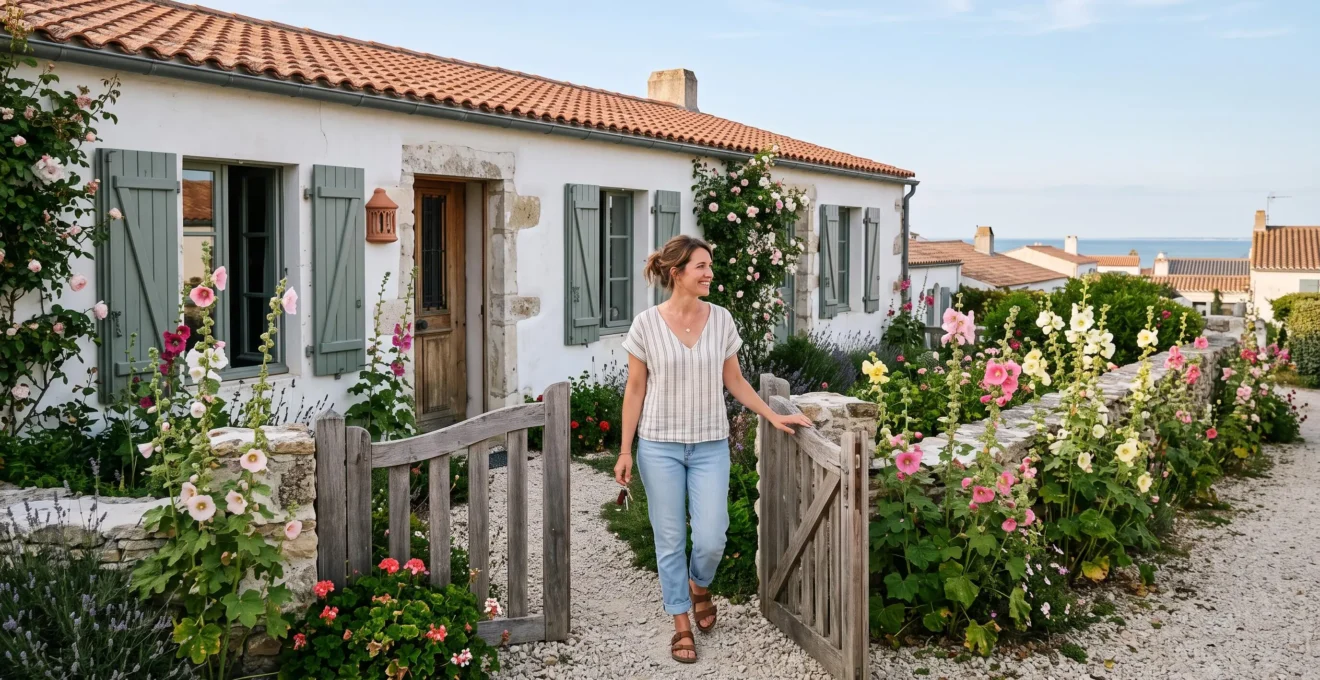
Looking for a villa rental Île de Ré can feel deceptively simple: beautiful photos, a few filters, then you book. In reality, the island’s holiday homes vary a lot by layout, setting, and “daily life” factors (noise, parking, cycling access, outdoor space), which is exactly where mismatches happen.
The safest method is to start from your travel style—then pick a zone, and only then compare features. That way, you’re not paying a premium for amenities you won’t use, or ending up in a location that doesn’t fit the pace of your trip.
Direct answer: To find the right Île de Ré villa for your travel style, first define your traveller profile (couple, family, friends, remote worker), then shortlist areas that match your priorities (lively village vs quiet countryside, beach access, cycling), and finally verify must-have features (bedroom setup, outdoor space, Wi‑Fi, laundry) and total costs before confirming.
Your quick decision path for an Île de Ré villa
- Profile first: choose a villa type that fits how you’ll live day-to-day (space, privacy, routines).
- Then location: decide between village life, beach proximity, or quieter inland settings—especially if you’ll cycle.
- Then features: prioritise bedroom configuration, outdoor space, and “long-stay basics” like Wi‑Fi and laundry.
- Book with clarity: check what’s included (cleaning, linen, deposit, taxes) and where the home sits on the map.
- Final check: make sure the listing matches your profile, not just the photos.
Which Villa Type Matches Your Travel Style on the Île de Ré?
Start with a simple question: what will your days look like—slow breakfasts and cycling, beach-and-nap rhythm with kids, dinners with friends, or work hours at home? On the Île de Ré, choosing the “right” villa is less about square metres and more about whether the layout supports your real routine.
Are you travelling as a couple who wants to be out all day?
If you’re mostly exploring—markets, ports, bike rides—look for a smaller place that makes logistics easy: walkable to shops, simple parking (or a clear plan for it), and a comfortable living space rather than a sprawling garden you won’t use.
A compact village house can be a great match when you prioritise atmosphere and spontaneity. In practice, that usually means trading extra rooms for a better “step out the door” location and an easier check-in/check-out experience.
Are you a family that needs safe outdoor space and separate sleeping areas?
Families tend to feel the mismatch fastest: kids need space early in the morning; adults need quiet later at night. Prioritise a villa with clearly separated bedrooms, a kitchen that can handle real meal prep, and an outdoor area that’s genuinely usable for your age range (shade, fencing, visibility from the living area).
Also think about your “indoor plan” for windy or cooler days outside peak summer—space to play, eat, and dry beach gear without the whole house feeling cramped.
Are you a group of friends who care about privacy and shared moments?
Friends’ trips work best when the villa supports both together time and alone time. Look closely at how many bathrooms there are, whether bedrooms are similar (or one is clearly the “best room”), and where sound travels (open mezzanines can be fun—until someone wants to sleep).
A bigger property can make sense here, but only if the sleeping and bathroom layout matches your group dynamics. Photos rarely show that well, so floor plans and detailed room descriptions matter.
Are you staying longer or mixing holidays with remote work?
For a longer stay, comfort is less about “wow” features and more about basics you’ll rely on every day: reliable Wi‑Fi (ask for specifics if it’s critical), a proper table/chair setup, good natural light, and laundry. You’ll also feel noise more, so consider the immediate surroundings (busy street, cafés, shared walls).
If you’re hesitating between a villa and a serviced option for a longer trip, you can also compare what you gain in flexibility versus services by reading about hotel residence benefits.
Cas pratique
A hypothetical example: a family of four plans two weeks in July and wants calm evenings and easy breakfasts. They shortlist villas with a fenced garden, two separate bedrooms, and a washing machine. A couple travelling for five days in June prioritises a smaller village house near a lively harbour area, accepting less outdoor space to be able to walk to cafés and cycle paths.
Choosing the Right Location: Villages, Beaches and Countryside
Once your travel style is clear, choose where you want to “live” on the island. On the Île de Ré, location isn’t just distance—it shapes your daily rhythm: how quickly you reach a beach, whether evenings feel lively or quiet, and how often you’ll rely on bikes versus a car.
Are you looking for a lively village atmosphere?
If your ideal holiday includes markets, terraces, and a sense of buzz, aim for a village setting where you can walk to shops. The upside is convenience and atmosphere; the trade-off is that summer can feel busier, and parking may require planning.
This is often the best fit for couples or groups who want to go out daily and don’t want to “commute” to dinner.
Do you want beach-first days with minimal logistics?
If beach access is your top priority—especially with kids—reduce friction: check the real walking/cycling route, not just “near the sea” wording. A villa that’s a straightforward ride from the beach can change your whole week (fewer car trips, easier naps, simpler evenings).
When comparing listings, focus on what you’ll carry (towels, snacks, toys) and how many times a day you’ll do that trip—small differences add up fast.

Are you craving quiet, space, and a slower pace?
If your goal is calm—reading on a terrace, long lunches, stargazing—countryside or more residential edges of villages can feel more “villa-like”. The trade-off is convenience: you may cycle farther for bakeries and markets, and evenings can be quieter than expected.
This choice is often great for families who want naps and early bedtimes, or anyone doing part-time remote work and needing predictable quiet.
Will you rely heavily on cycling?
Cycling is a central way to get around the island, so treat access to bike paths as a real location criterion, not a nice-to-have. Before booking, check how you’ll reach key places (beach, village centre, supermarket) by bike and whether you can safely store bikes at the property.
For an official overview of how the island is organised (villages, nature areas, visitor information), start with local guidance from Destination Île de Ré as referenced in fréquentation touristique Île de Ré 2025, which also notes shifting seasonal patterns.
| Decision criterion | Village-based stay | Quieter / countryside stay |
|---|---|---|
| Daily vibe | More activity, easier to step out for cafés and markets | Calmer, more “retreat” feel |
| Convenience | Shops and dining often closer on foot | More planning for groceries and evenings |
| Noise and privacy | Can be busier in peak season; closer neighbours | Often more privacy; fewer passers-by |
| Best match for | Couples and friends who go out daily | Families needing quiet; longer stays; remote work |
What Features and Amenities Really Matter?
Now that you’ve matched your travel style and area, you can assess features without getting distracted by “nice extras.” A good rule: prioritise what changes comfort every day (sleep, meals, washing, working), then look at “holiday upgrades” (pool, designer décor).
Do you actually have the right capacity for your group?
Capacity isn’t only “sleeps X.” What matters is whether the sleeping setup fits your group: separate rooms for parents and kids, enough single beds if needed, and realistic common space if the weather turns.
When a listing is vague, ask for clarity on bed sizes, bedroom locations (ground floor vs stairs), and bathroom access. These are the details that prevent paying a high price for a home that feels awkward once you arrive.
Are you staying long enough to need “home basics”?
For a two-week stay, basics become deal-breakers: a functional kitchen (not just stylish), a washing machine, and Wi‑Fi that suits your needs. If you plan to work, ask where the router is and whether there’s a comfortable spot for calls.
For a short off-season weekend, you can often simplify: you may care more about heating, insulation, and a cosy living room than about an outdoor kitchen you won’t use.
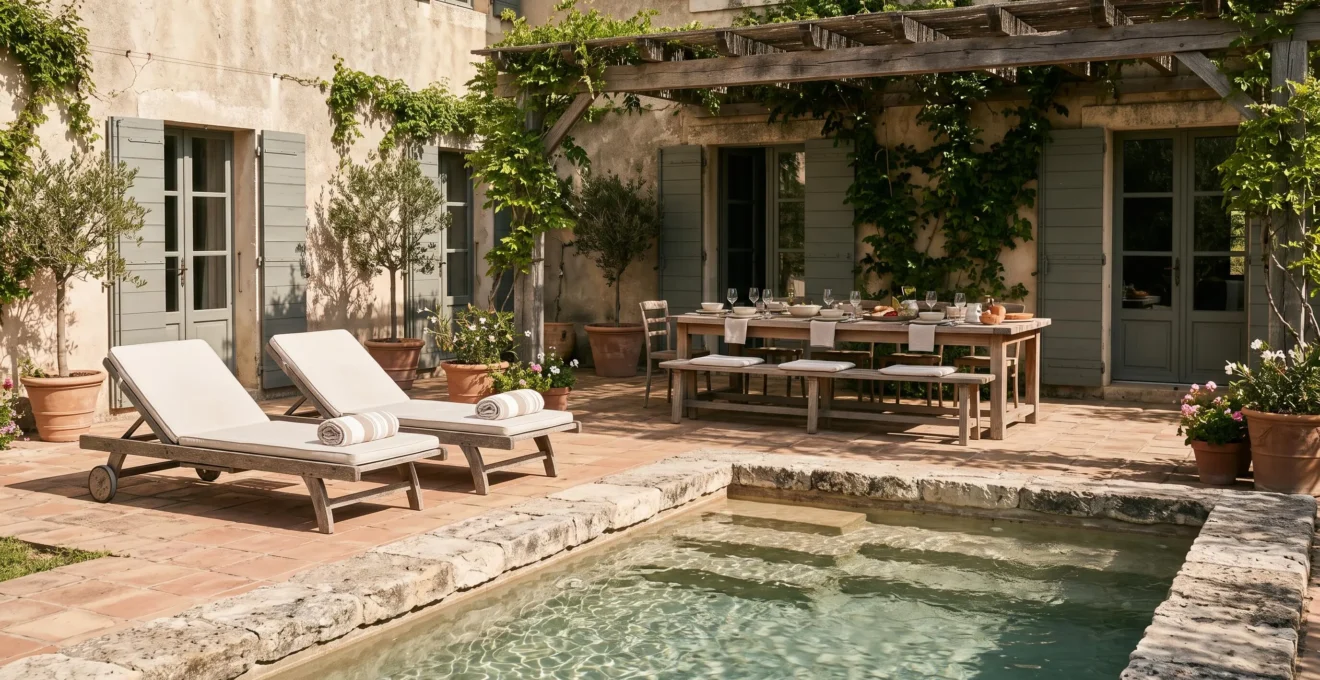
Will outdoor space make or break your holiday?
Outdoor space is one of the most expensive “mismatches” because it looks great in photos but can be impractical. Check whether the terrace gets sun or shade when you’ll actually use it, whether there’s wind exposure, and whether the garden is private or overlooked.
If you’re considering a pool, clarify what’s included (heated or not, safety measures, opening period) rather than assuming. If that information isn’t written, it’s a question to ask before you compare prices.
How to prioritise villa features
- Clear bedroom layout and enough bathrooms for your group
- Functional kitchen and dining space for the way you eat
- Laundry and storage (beach gear, bikes, groceries)
- Wi‑Fi suited to your needs, especially for longer stays
- Large garden if you’re out all day and rarely “stay home”
- “Near the beach” claims without a clear route and distance
- High-end décor if the layout is inconvenient for your group
- Pool photos without practical details (rules, season, safety)
Booking Smartly: Timing, Budget and Seasonal Pitfalls
On the Île de Ré, booking strategy matters because demand and pricing can shift by season. It’s normal to see strong differences between summer weeks and quieter periods, but you should avoid assumptions unless the listing shows the full price breakdown.
Are you booking for peak summer?
If you’re targeting July–August, the practical advice is simple: shortlist early, decide faster, and be ready with questions. Not because you must rush, but because the villas that best match specific needs (family layouts, good outdoor space, bike storage) are limited by design.
Seasonality can also vary from one year to the next. For example, Destination Île de Ré reported (via local media) a 7% decrease in tourist office visits from April to August 2025 versus 2024, with a trend toward less concentration in July–August—useful context, but not a guarantee about availability for your exact dates.
Are you booking off-season or shoulder season?
Outside peak weeks, you may have more flexibility: wider choice, calmer villages, and fewer compromises on location. Your checklist changes too—heating, insulation, and indoor comfort become more important, and some outdoor amenities may be less relevant.
This is also where it pays to verify what the home provides on arrival (linen, towels, basic supplies) so you can pack appropriately.

Do you know the total cost beyond the nightly or weekly rate?
To avoid paying a high price for an unsuitable deal, compare offers using the total payable amount, not the headline rate. Ask what’s included and what’s extra—especially cleaning fees, linen/towel packs, deposits, and any local taxes mentioned in the contract.
If you’re comparing two villas that look similar, these “extras” often explain the gap more than the photos do.
A common comparison trap: two listings can look identical, but one may include cleaning and linen while the other adds them as mandatory extras—always check the full breakdown before deciding.
Are you checking the local rules that apply to holiday rentals?
Even as a traveller, it’s worth confirming the rental is properly set up, especially if anything feels unclear in the paperwork. The Communauté de Communes de l’Île de Ré explains that, since 1 June 2025, renting a “meublé de tourisme” in any of the island’s ten communes requires prior authorisation for change of use, with an exception for main residences rented fewer than 120 days per year (a declaration and registration number are still required).
You can read the official details in the autorisation changement d’usage Île de Ré note, then use it as a checklist point when reviewing a listing and its contract.
Final Checklist Before You Commit
This final pass is what turns browsing into a confident decision. Use it to confirm the villa truly matches your travel style, not just your mood when you saw the photos.
- Re-check your traveller profile
Write down your top three non-negotiables (example: quiet nights, fenced garden, walkable bakery) and ensure the listing clearly supports them.
- Verify real capacity and layout
Confirm bedrooms, bed types, bathrooms, and any tricky points (stairs, low ceilings, open mezzanines) that could affect comfort.
- Pin down the location
Ask for the exact area and check how you’ll reach your daily anchors: beach, village centre, bike paths, and parking.
- Confirm must-have amenities
For longer stays, prioritise Wi‑Fi, laundry, and kitchen practicality; for off-season, prioritise heating and indoor comfort.
- Read the conditions end-to-end
Check cancellation terms, deposit, what’s included (cleaning, linen), and any mention of required registration/authorisation.
Which villa area on the Île de Ré is best for a family holiday?
The best area is the one that reduces your daily friction: easy beach access, safe cycling routes, and a calm sleeping environment. For many families, that means prioritising practicality (short, simple routes and quieter nights) over being in the busiest village centre.
How far in advance should I book a villa on the Île de Ré for the summer season?
If you’re travelling in July–August and have specific needs (multiple bedrooms, garden, bike storage, walking access), start your search early and book once the listing meets your checklist and the total price is clear. Exact “best timing” varies by year and by property, so avoid relying on a single rule of thumb.
What villa features are essential for a longer stay on the Île de Ré?
For longer stays, essentials are the features that support real life: a workable kitchen, laundry, reliable Wi‑Fi (especially if you’ll work), comfortable seating and dining space, and storage for bikes and beach gear. These tend to matter more than “headline” extras if you’ll spend many hours at the property.
If you want one last sanity check, read the listing again while imagining a full day: breakfast, beach logistics, showers, dinner, and bedtime. If any step feels unclear, ask before paying—clear answers are often what separates a good match from an expensive compromise.